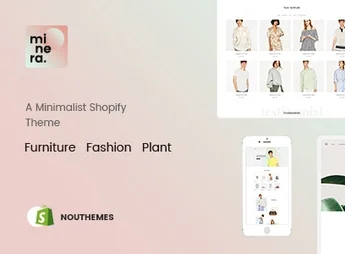
Description
Kodo builds a minimal-looking Shopify store for anyone selling design products, independent fashion, or home decor pieces, with flexible layout blocks, clean modern typography, and category pages you can configure right from the theme editor. It’s for anyone running a brand with a clean visual identity who needs to put together a tight, sophisticated catalog without hiring a developer to adjust every store section from the sales dashboard.
Kodo Key Features
- Flexible layout blocks
Lets you rearrange homepage sections without editing code. - Minimal typography
Applies clean fonts that enhance the featured product photo. - Configurable product page
Lets you rearrange image, description, and variants to fit each product. - Collection grid
Organizes products by collection in blocks with generous spacing. - Responsive layout
Keeps the catalog’s minimal alignment on any screen size.
Kodo Benefits
- A store that goes live faster
Shortens the time between buying the theme and publishing your catalog. - Sophisticated identity
Projects a clean image that enhances design and fashion products. - Layout flexibility
Lets you change how sections are arranged without any coding. - Focus on the product
Cuts back visual elements that distract from the photo and the price.
Who Is Kodo For?
- Anyone running an independent fashion or accessories brand.
- Anyone selling design products or minimal home decor.
- Anyone who wants a catalog with a clean, sophisticated look.
- Anyone building a niche store with just a few featured products.
How to Download Kodo
Kodo is available for download here on Ultrapack. Once you’ve downloaded the file, upload the theme under Online Store > Themes > Add theme in your Shopify account dashboard. Publish the theme and organize the blocks to match your brand’s identity.
A minimal theme is no substitute for a well-curated catalog or great photography, but it handles the visual work that eats up the most time when building a store with a clean identity. With Kodo, all that’s left is adding your products and fine-tuning the blocks before your store goes live.
Frequently asked questions
Is Kodo – Minimal Layout Builder Shopify Theme GPL?
Yes. Kodo – Minimal Layout Builder Shopify Theme is distributed under the GPL (GNU General Public License). You may legally use, modify and redistribute it on as many sites as you want.
Can I use Kodo – Minimal Layout Builder Shopify Theme on more than one site?
Yes. You can use Kodo – Minimal Layout Builder Shopify Theme on as many sites as you want.
How much does Kodo – Minimal Layout Builder Shopify Theme cost at Ultrapack?
Kodo – Minimal Layout Builder Shopify Theme costs US$2.99 as a single purchase, and it is also included in the subscription plans starting at US$17/mo (Desenvolvedor I).
Does Kodo – Minimal Layout Builder Shopify Theme include updates?
When a new version of Kodo – Minimal Layout Builder Shopify Theme becomes available in the catalog, you can download the file during the access period of your purchase or subscription. To update, follow the installation or import procedure described in the documentation for the item and its platform.
Is Kodo – Minimal Layout Builder Shopify Theme checked before it is made available for download?
Files for Kodo – Minimal Layout Builder Shopify Theme are scanned before publication by UltraHub using ClamAV and YARA rules to detect known threats. This check does not guarantee the absence of risks. Check the item requirements, make a backup, and follow the installation or import instructions for its platform.
How to install
Updates: manual. When a new version comes out, download it on this same page and upload the new file from the Shopify admin. This item is not installed through WordPress.
A Shopify theme is not installed on WordPress. It is uploaded in your store dashboard.
- Download the file
kodo-minimal-layout-builder-shopify-theme.zipand extract it on your computer. - Inside the package, look for the theme ZIP, which is the file Shopify accepts. It is usually in a folder named after the theme, and it has the
assets,layout,sectionsandtemplatesfolders inside. - In the Shopify dashboard, go to Online Store > Themes.
- Under Theme library, click Add theme > Upload zip file and upload the theme ZIP.
- Use Preview to check it, and Publish when you want it live.
- Shopify rejects packages that are too large. If the upload fails because of size, take the documentation and demo files out of the folder before zipping it.
Stuck on a step? Open a ticket telling us which one you stopped at.